


Pantho Rahaman
Satkhira, Bangladesh — April 20, 2025
Coastal Bangladesh, encompassing regions like Khulna, Satkhira, and Bagerhat, is confronting escalating threats to food security due to climate change.
Rising sea levels, increased salinity, and intensified cyclones are undermining agricultural productivity, which is vital for the livelihoods of millions.
Approximately 30% of Bangladesh’s cultivable land is situated in coastal areas, making it highly susceptible to salinity intrusion and tidal flooding.
Recent World Bank study indicates that increased soil salinity could lead up to 15.6% reduction in high-yield rice harvests. Moreover, extreme weather events like Cyclone SIDR in 2007 have previously devastated crops, highlighting the vulnerability of coastal agriculture .
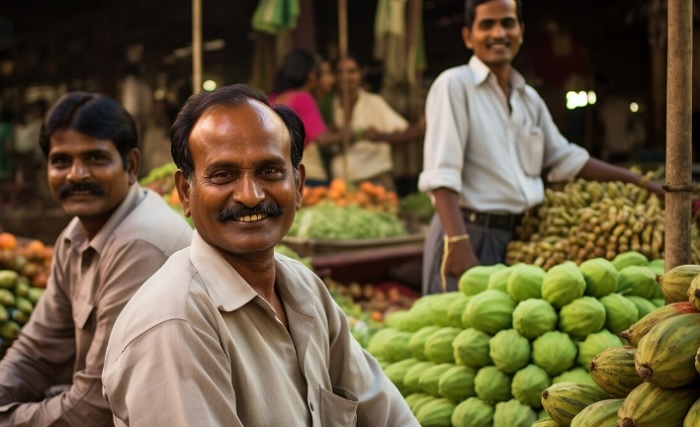
In response to these challenges, farmers are increasingly adopting crop diversification.
In the past five years, Khulna, Bagerhat, and Satkhira districts have seen an 11-14% rise in AMAN rice production. Vegetable cultivation has surged by around 50%, and fruit production has more than doubled in some areas. This shift towards diversified cropping systems is enhancing resilience and income stability for smallholder farmers.
The RECSA project, a collaboration between Bangladeshi and Dutch institutions, is promoting climate-smart agriculture (CSA) practices. These include early rice planting, efficient irrigation techniques, and the use of salt-tolerant crop varieties. Adoption of CSA practices has been linked to improved food security; for instance, each additional CSA practice adopted increases the likelihood of a household being food secure by 4.3% .
In Kalapara, the previously introduced “PARIBARTAN” (Change or alternate) program is empowering communities through farmer field schools, climate-smart training, and disaster risk management initiatives. These efforts aim to build local capacity to cope with climate-induced challenges and restore food security.
Continued support and innovation are essential to ensure the sustainability of these initiatives and the well-being of coastal communities.
Source: World Bank, NGOs and local community